
SDM Voice|Prof. Yoshiyuki Suimon
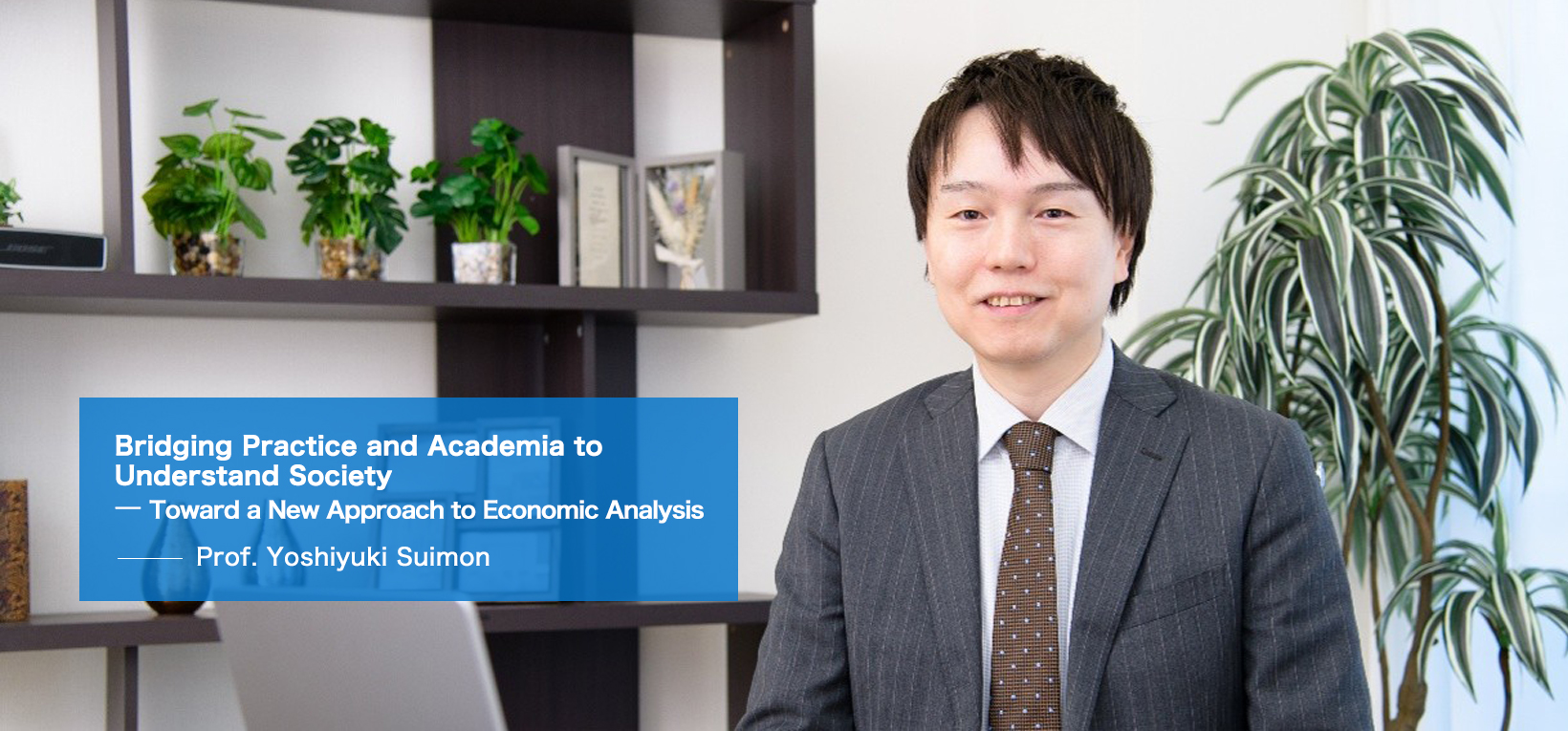
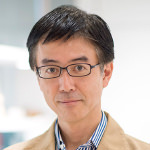
After a career in financial and economic analysis at Nomura Securities, Associate Professor Yoshiyuki Suimon joined Keio University’s Graduate School of System Design and Management (SDM). His research has expanded from financial markets to socioeconomic systems. Drawing on his experience in industry and academia, he discusses his research, SDM, and his approach to education.
Profile
Yoshiyuki Suimon
Yoshiyuki Suimon graduated from the Department of Industrial and Systems Engineering, Faculty of Science and Technology, Keio University, in 2005, and completed his master's degree at the University of Tokyo in 2007. He received an MBA from the University of Michigan in 2013 and a Ph.D. in Engineering from the University of Tokyo in 2021. He joined Nomura Securities Co., Ltd. in 2007, where he later served as a Senior Economist at the Financial and Economic Research Center and as Head of the Data Science Department. He joined Keio University in his current position in 2025. He has also served as a part-time lecturer at the University of Tokyo's Graduate School of Public Policy and as a Collaborative Researcher at its Graduate School of Engineering.
From Financial Markets to Understanding Society
As an undergraduate and graduate student, I studied fields such as information theory, mathematical optimization, and operations research, conducting research based on mathematical approaches. As I explored ways to understand complex systems theoretically and quantitatively, I became increasingly interested in extending the scope of my research to society and the economy as a whole.
This interest led me to the world of finance and economics. Financial markets are constantly changing as they reflect a wide range of information about society--from human behavior and corporate activity to public policy and international affairs. I was fascinated by how financial markets continuously capture changes in society. After completing graduate school, I therefore joined the Financial and Economic Research Center at Nomura Securities. I began my career as a quantitative analyst covering Japanese government bonds and interest-rate derivatives. I was later sponsored by the company to study at the University of Michigan's business school in the United States, where I earned an MBA. After returning to Japan, I worked as an economist covering the Japanese economy during the Abenomics period, focusing on macroeconomic analysis. I subsequently became Head of the newly established Data Science Department, where I oversaw financial and economic analysis using big data and machine learning.
Over the course of my career, I experienced a number of historic events from the front lines of financial markets, including the Global Financial Crisis, the Great East Japan Earthquake, the European sovereign debt crisis, and the COVID-19 pandemic. These experiences increasingly convinced me that data alone cannot tell us everything about society. I came to recognize the importance of understanding not only numerical data, but also the broader social context behind it--including human behavior, institutions, industrial structures, and culture. At the same time, I wanted to explore how rapidly advancing artificial intelligence technologies could be applied to economic analysis. While continuing my professional career, I therefore enrolled in the doctoral program at the University of Tokyo's Graduate School of Engineering and earned a Ph.D. in Engineering. My academic research received multiple awards from the Japanese Society for Artificial Intelligence. The experience I gained in both industry and academia now provides an important foundation for my research and teaching.
Through these experiences, I became increasingly interested in applying the knowledge and expertise I had developed in financial and economic analysis not only to financial markets, but also to a broader range of societal challenges--and ultimately to understanding how society itself works. This led me to shift the focus of my career from industry to academia.
Understanding Socioeconomic Systems Through Data
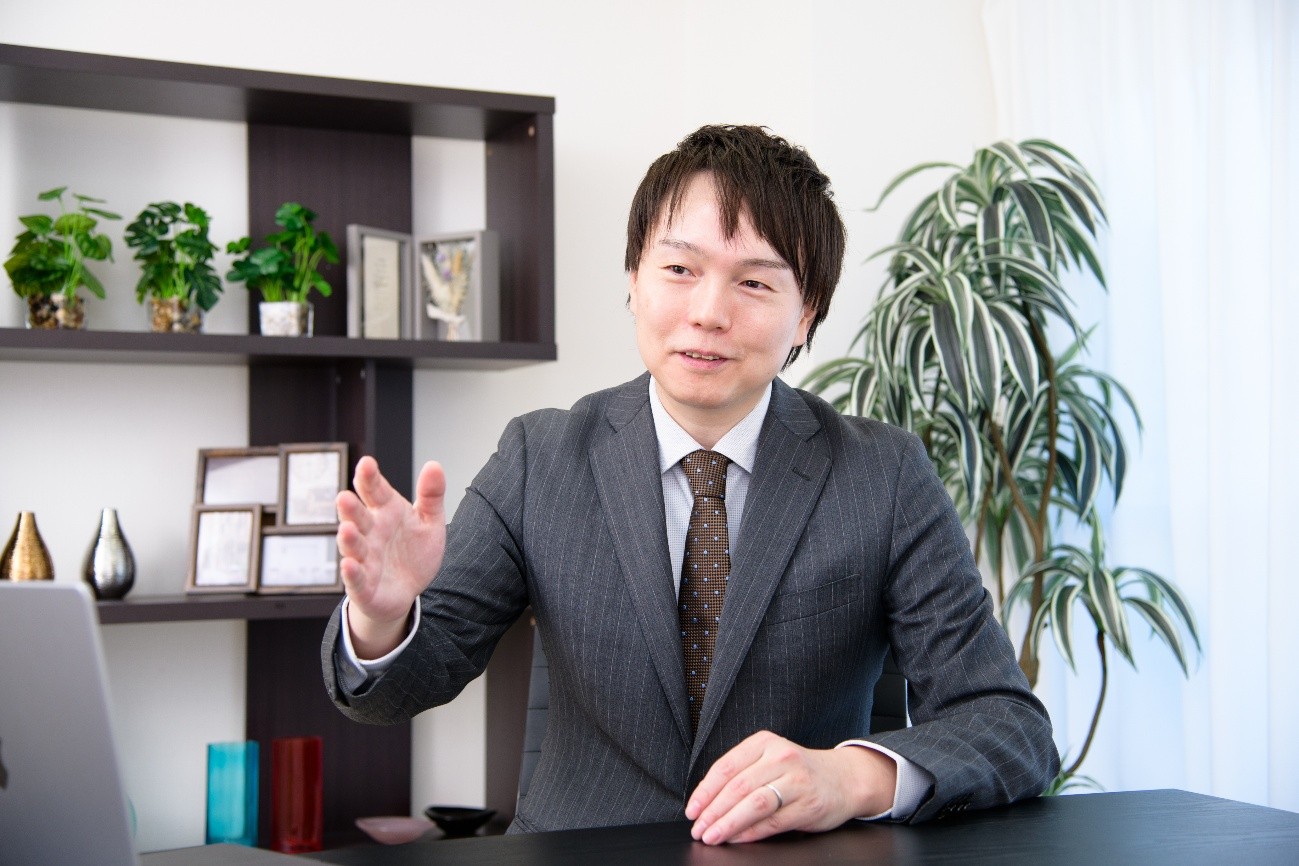
In 2025, I joined the Graduate School of System Design and Management (SDM) at Keio University, where I now lead the Economic Innovation Design Laboratory. SDM is an interdisciplinary graduate school that approaches not only technological systems, but also people, organizations, society, communities, and the environment as interconnected "systems." I find it an ideal environment for studying society itself while crossing the boundaries of conventional academic disciplines. In our laboratory, we study socioeconomic systems by using data to better understand the behavior of individuals and organizations.
We work with a wide variety of data, combining sources such as social media, location data, satellite data, purchasing data, web traffic, and official statistics. For example, we analyze social media posts to explore changes in people's emotions and interests, use location data to estimate patterns of behavior and regional economic activity, and examine satellite data to identify changes in industrial activity. Developments in society that were once difficult to observe can now be visualized in near real time. But simply collecting more data is not enough. What matters is what we can learn from it.
Put simply, I believe that data alone cannot reveal the whole picture. Data captures only one aspect of society. Behind every number lies a broader context shaped by people's emotions and values, as well as institutions, culture, and history. For this reason, our laboratory places importance not only on quantitative analysis, but also on qualitative approaches such as literature reviews, field research, interviews, and discussions. By drawing on multiple disciplines--including economics, information science, statistics, psychology, and management--we seek to develop a more comprehensive understanding of how society works. This is both the challenge and the fascination of this field.
It is also one of the great strengths of SDM. Societal challenges cannot be fully understood or addressed through a single academic discipline. SDM brings together people with different areas of expertise, creating opportunities to develop new perspectives and approaches through discussion and collaboration. I find this interdisciplinary environment extremely stimulating for research.
Developing Your Own Research Questions
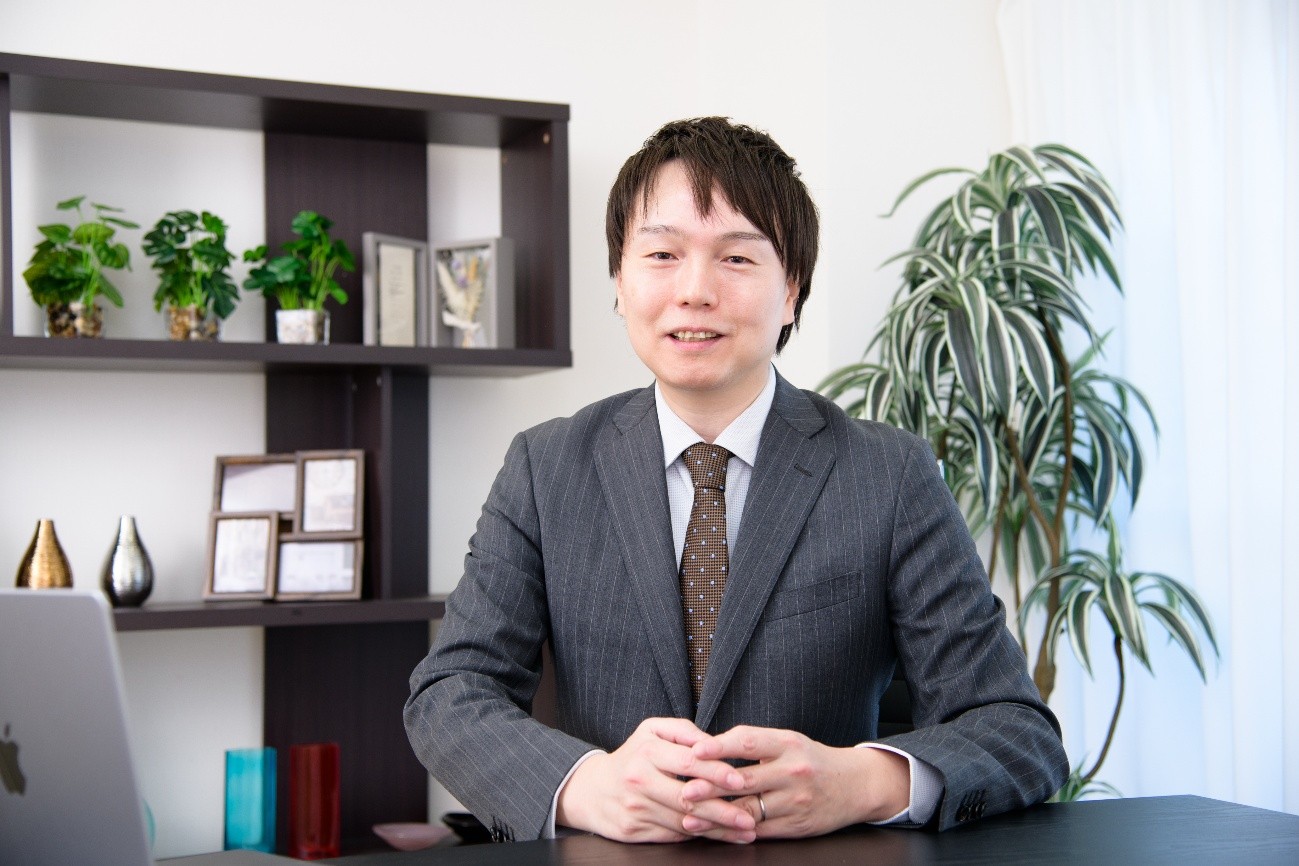
One thing I particularly encourage students in our laboratory to do is to develop their own research questions. Questions such as "Why has this product suddenly become popular?", "Why have people changed their behavior?", or "Why does this particular region seem more vibrant than others?" can arise from small observations in everyday life. These seemingly simple questions can become the starting point for research. I believe that research begins by observing society carefully and developing questions of your own.
In our laboratory, we respect each student's individual interests and experiences and work together to develop these initial questions into research topics. The subjects our students explore are diverse, spanning industry, consumption, regional economies, tourism, social media, and well-being. Research ideas often emerge from students' own interests and their awareness of issues they encounter in everyday life.
I also hope students will develop not only analytical skills, but also a broader perspective on how to understand society. Data analysis is ultimately a means to an end. Behind the data are always people and society. It is important to consider not only what can be quantified, but also the values, emotions, and motivations that shape human behavior.
Our laboratory is currently engaged in a variety of collaborative research projects involving industry, government, and academia. Together with graduate students, researchers, specially appointed faculty members, and others from diverse backgrounds, I hope to generate new knowledge and foster research that can contribute to society. By advancing education and research together, I hope we can create new value for society. Having worked in both industry and academia, I would like our laboratory to be a place that bridges these two worlds through research and education.
-
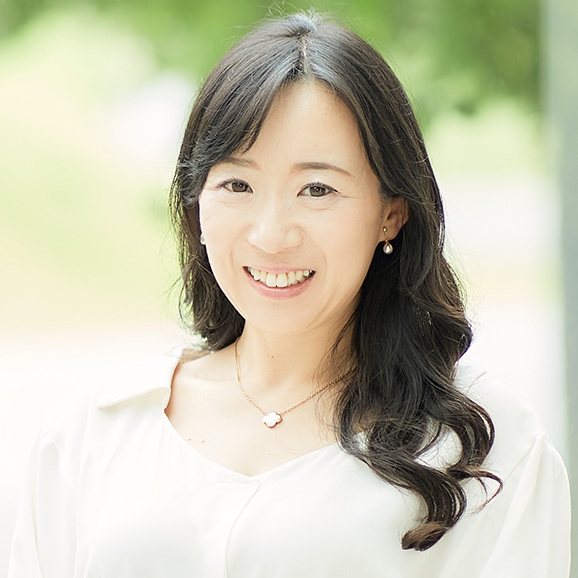
Prof. Chihiro Hosoda
-
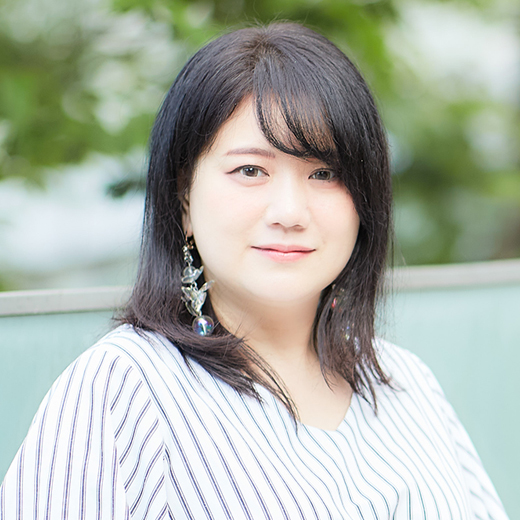
Prof. Emi Tamaki
-
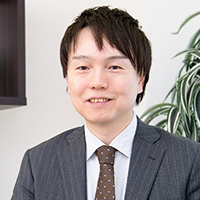
Prof. Yoshiyuki Suimon
-
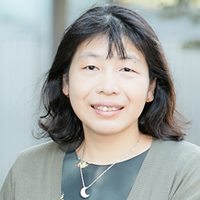
Prof. Hiroko Inokuma
-
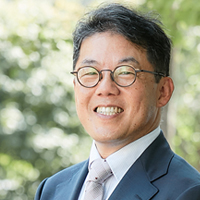
Prof. Takahiro Yakoh
-
Dr. Steven Urueta
-
Dr. Prafull Kasture
-
Associate Prof. Masahiro NIITSUMA
-
Prof. Yoshiki YAMAGATA
-

Naomi Simumba
-
Prof. Naohiko KOHTAKE
-
Prof. Tetsuya Toma
-
Prof. Seiko SHIRASAKA
-
Prof. Hidekazu NISHIMURA
-
Associate Prof. Makoto IOKI